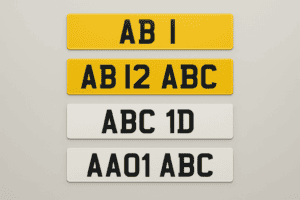
An investment in a private number plate means buying a registration with the aim of selling it later for a profit, rather than keeping it for personal use. Profit depends on demand, scarcity, and how easily a buyer can transfer the registration. Plates with short formats, common initials, or memorable words often attract stronger interest, while niche combinations can take longer to sell.
Unlike shares, a number plate does not pay income. Value growth relies on market sentiment and buyer budgets, so returns can vary. Costs also affect performance: buyers should allow for purchase fees, any broker commission, and the opportunity cost of holding a plate for years. Liquidity matters as well. A plate may have a high asking price, yet still fail to sell quickly if pricing does not match recent transactions.
Many buyers start with Pre-owned Number plates because previous ownership can reveal a clearer market level than brand-new releases. Even so, an “investment” only becomes real when a sale completes at a higher net price than the total costs paid.

Private number plates do not trade on a public exchange, so price trends come from realised sales, dealer listings, and official auction results. Long-term data points show that sought-after formats often hold value better than niche combinations, yet performance varies sharply by plate type. Short registrations, common initials, and clear word-like patterns tend to attract repeat demand, which supports prices during weaker periods. By contrast, plates tied to a narrow name, local reference, or obscure sequence can stagnate, even when the asking price appears reasonable.
For a grounded view of market direction, it helps to track the primary supply channel. The DVLA releases new registrations through auctions and direct sales, which can influence sentiment and pricing for similar styles already in circulation. When auction results show strong competition for certain prefixes, suffixes, or short formats, secondary sellers often raise expectations. Even so, headline prices can mislead, because exceptional plates skew averages and many listings never sell at the advertised figure.
Demand usually follows recognisable human cues: initials, popular names, status signalling, and cultural references. Economic conditions also matter. When discretionary spending tightens, buyers often shift towards more affordable plates, which can keep entry-level demand active while premium plates take longer to move. Seasonality plays a part as well, with interest often rising around new car purchases and gifting periods. Search activity and dealer enquiries can act as early indicators, yet completed transactions provide the clearest signal of genuine willingness to pay.
Liquidity describes how easily an asset converts to cash without a steep discount. Private plates can be liquid when the format appeals to a broad audience and the price sits near recent comparable sales. Selling speed drops when a plate needs a very specific buyer, or when the seller insists on an aspirational price. Transfer rules also affect liquidity; sellers must follow the GOV.UK guidance on personalised registrations, including eligibility and retention, which can add time and admin costs. A realistic expectation is that strong plates can sell quickly through established channels, while many others require patience and flexible pricing.
Rarity sets the ceiling for long-term value because supply stays fixed for many desirable formats. Short registrations, especially those with one to three characters, remain scarce by design. Age also matters. Earlier dateless and prefix plates can signal status and often attract collectors, while newer styles tend to compete with a larger pool of similar registrations. Even within the same format, small differences change demand. A single extra character can move a plate from “collectable” to “common”, which usually widens the buyer pool but lowers the price point.
Format affects value because buyers need a plate that fits a vehicle and stays legal. In the United Kingdom, drivers must follow the display rules set out by the Driver and Vehicle Licensing Agency (DVLA), including spacing and character style. Plates that rely on illegal spacing to “spell” a name carry higher risk, since enforcement can remove the registration and reduce resale appeal. A plate that reads clearly without manipulation tends to attract more confident bids, especially from buyers who plan to use the registration on multiple vehicles over time.
Meaning drives the emotional premium. Initials, short names, common nicknames, and simple word-like patterns often command stronger prices because more people identify with them. Numbers can also add value when they match birth years, lucky numbers, or model references. Cultural relevance shifts demand, so a plate linked to a short-lived trend can weaken as tastes change. By contrast, broad meanings such as popular initials or universally recognised names tend to remain resilient.
Private plates sell when a specific buyer sees personal value and can pay the asking price. That dynamic creates uneven liquidity: a highly distinctive plate may achieve an excellent result, yet only after a long wait. Dealers and marketplaces can shorten the search, but pricing still depends on comparable sales and negotiation. Auction results from established venues such as Bonhams show that competitive bidding can lift prices for plates with broad appeal, while niche combinations often need sharper pricing to move.
Returns on private number plates depend on more than the purchase price. Buyers should account for ongoing costs, sale friction, and legal compliance, since each factor can reduce net profit even when the headline resale figure looks strong.
Liquidity risk remains a central issue. A plate can appear valuable yet attract few serious buyers at the desired price. Timing also matters. Economic slowdowns tend to reduce discretionary spending, which can lengthen selling periods and increase the chance of accepting a lower offer.
Legal rules shape both demand and transferability. In the United Kingdom, drivers must display plates that meet the British Standard for reflectivity, durability, and layout. Mis-spaced characters or non-compliant fonts can trigger enforcement action and can deter buyers who want a plate ready for road use. For compliant replacements, a reputable Replacement Number plate Supplier helps protect presentation without risking illegality.
Transfer rules also affect returns. Owners can assign a registration to another vehicle or retain it on a certificate, yet each step involves fees and administration through GOV.UK. Some registrations cannot move to vehicles that appear “too new” for the plate’s age identifier, which can narrow the buyer pool.
Fraud and provenance risk also deserve attention. Buyers should verify entitlement, confirm the seller’s identity, and keep clear records of purchase and assignment. A clean paper trail supports resale value and reduces the chance of disputes that delay a sale.
Start with evidence from completed transactions, not asking prices. Compare recent realised results for close matches in format, character count, and meaning, then adjust for differences such as a more common initial or a less readable number. Use at least two independent sources to reduce bias, such as DVLA Auctions and established dealer catalogues. Treat dealer listings as an upper bound, since margins and negotiation often sit within the sticker price.
Next, test liquidity with a simple benchmark: estimate how many comparable plates appear for sale at any time. A scarce format with few substitutes usually supports stronger pricing power, while crowded segments tend to cap growth. Check how often similar plates show “sold” or disappear from listings, which can signal turnover. When possible, record a small sample of prices over several weeks to see whether values hold steady or rely on repeated reductions.
Finish with a transfer and compliance check using GOV.UK guidance on personalised registrations. Confirm that the plate can move to another vehicle, that the format does not misrepresent a vehicle’s age, and that fees and timing fit the intended holding period.