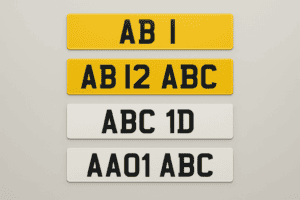
Before you transfer a private number plate, confirm that the registration meets the basic eligibility rules set by the Driver and Vehicle Licensing Agency (DVLA). The plate must remain readable and must not make a vehicle appear newer than it is. For example, a registration that suggests a newer year than the vehicle’s date of first registration will not transfer.
Check the vehicle status next. The donor vehicle (the one giving up the plate) and the recipient vehicle (the one receiving it) usually need a current MOT if the vehicle requires testing. Each vehicle must also have vehicle tax in place, or a valid Statutory Off Road Notification (SORN), depending on how the vehicle is kept. Any mismatch can delay the process.
Confirm that you can prove entitlement to the registration. The DVLA normally issues a V778 retention document or a V750 certificate of entitlement for this purpose. Ensure that keeper details match the current records and that the registration has not been reported lost, stolen, or withdrawn. If any details look incorrect, update the records before you start the transfer.
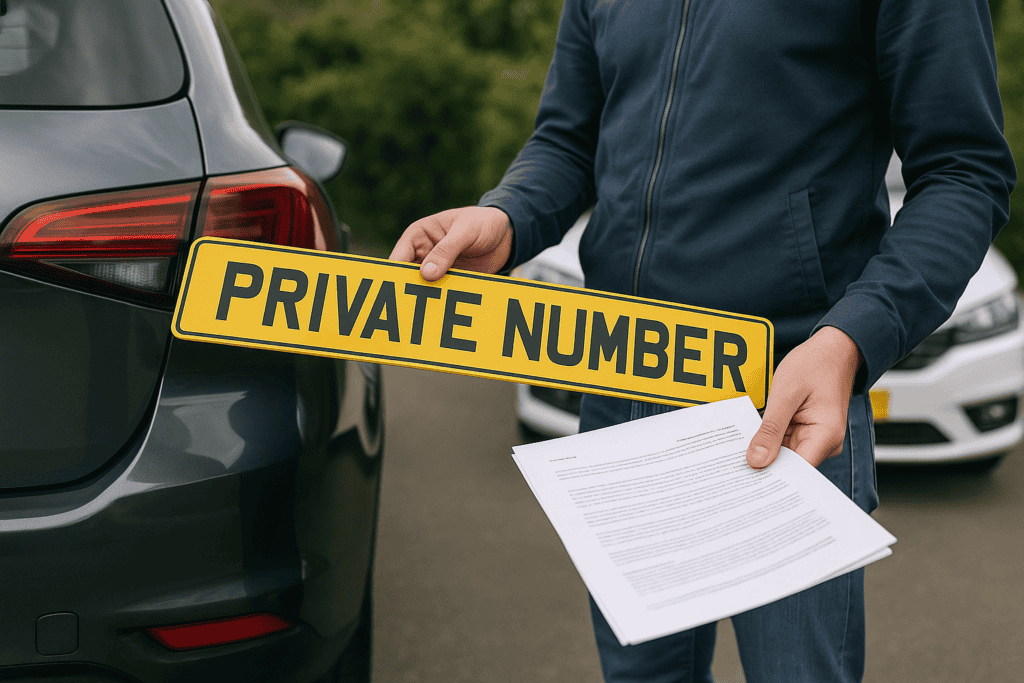
Gather the correct documents before you start a transfer, as missing paperwork often causes delays. The key items relate to the registration certificate, the entitlement to the number, and accurate vehicle details.
If you hold the registration on a vehicle, you usually need the V5C log book (vehicle registration certificate). Use the most recent version and ensure the keeper name and address match the current records. Any recent changes, such as a new keeper or address update, can take time to appear on the V5C, so check that the document reflects the present details before you apply. When you submit information to the DVLA, enter the V5C document reference number exactly as shown, since errors can prevent the application from progressing.
If the registration sits on a retention certificate, you need the V778. That certificate proves you have the right to assign the number to a vehicle. Confirm the certificate has not expired and that the nominee details (if used) match the person who will assign the plate. If you bought the registration from a dealer or received it as a gift, you may instead have a V750 certificate of entitlement. Treat the V750 in the same way as the V778: check the expiry date and ensure the names match the intended assignment route.
Alongside the certificates, prepare accurate vehicle information for both vehicles involved, where relevant. You may need the current registration numbers, vehicle make and model, and the date of first registration. Keep the VIN (vehicle identification number) to hand, as the DVLA may use it to confirm identity. Ensure vehicle tax and MOT status align with the transfer route you choose, since the DVLA can reject applications where the vehicle record does not support the request.
You can transfer a private registration in three main ways: using the online service from the DVLA, applying by post, or asking a dealer to manage the process. Each route suits different situations, depending on how quickly you need the transfer and whether you have all details to hand.
Whichever route you choose, keep the vehicle off the road until the DVLA confirms the change if the current registration status creates uncertainty. After approval, update insurance straight away and ensure the physical number plates match the new registration before driving. For the most accurate steps and current processing times, use the official guidance on GOV.UK personalised registrations.
Processing times depend on the route you choose and whether the details match DVLA records. The online service from the DVLA often updates the registration straight away, which means you can usually fit new plates as soon as you receive confirmation. Postal applications take longer because DVLA staff must check documents and issue updated paperwork. Expect a longer wait during busy periods or if DVLA needs to query vehicle status, keeper details, or the entitlement certificate.
DVLA charges a transfer fee, and you pay it during the application. If you use a dealer, the dealer may add an administration charge on top of the DVLA fee. After approval, DVLA issues updated documents for each vehicle, such as a revised V5C log book, and sends confirmation that the registration has moved. Arrange number plates through a registered supplier once you have approval, then notify your insurer of the new registration so cover and records stay accurate.
If DVLA cannot complete the transfer, DVLA usually returns the registration to the donor vehicle or keeps the entitlement on the certificate, depending on the application type and circumstances.
Arrange insurance before you drive with the new registration. Many insurers treat a plate change as an administrative update, yet some require the change in advance to keep cover valid. Confirm that the certificate of motor insurance shows the correct registration once DVLA approval arrives. If a vehicle has finance, ask the lender for consent early, as some providers restrict registration changes.
Check MOT and tax status as part of your timing. The MOT stays with the vehicle, but garages sometimes record the registration incorrectly after a change. Use the official GOV.UK MOT history service to confirm that the test record sits against the updated registration. Vehicle tax also remains with the vehicle, yet direct debit arrangements can fail if details do not match; verify the record through GOV.UK after the update.
Order physical plates only from a registered supplier. In Great Britain, suppliers must follow the rules set out by the DVLA number plate guidance, including proof of identity and entitlement. Avoid spacing or styling changes, as non-compliant plates can trigger fines and may cause ANPR (automatic number plate recognition) misreads. Fit the new plates only when DVLA confirms the change, then keep the confirmation and old plates for a short period in case a retailer, car park, or toll operator queries the update.