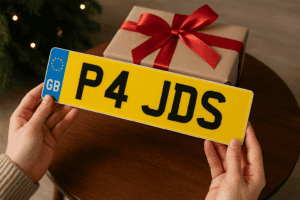
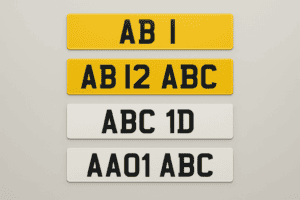
Many buyers assume any layout that looks correct will pass inspection, yet private plates must follow strict rules on character shape, spacing and materials. The DVLA number plate display rules set out the required font, margins and reflective backgrounds. A common mistake involves altering spacing to suggest a name or word. Police and MOT testers treat this as misrepresentation, which can lead to a fine and the withdrawal of the registration.
Another frequent issue relates to physical standards. Plates must come from a registered supplier and show the supplier name and British Standard mark where required. Some novelty plates omit these details or use non-compliant fonts, tinted covers or decorative bolts that change the appearance of characters. Such changes can reduce automatic number plate recognition accuracy, which increases the risk of enforcement action.
To avoid problems, confirm the plate design matches the DVLA guidance before ordering and keep a copy of the supplier invoice. When fitting the plate, use fixings that do not alter any character and avoid covers or stylised borders. If a seller claims a “show plate” is suitable for road use, treat that as a warning sign and choose a compliant option instead
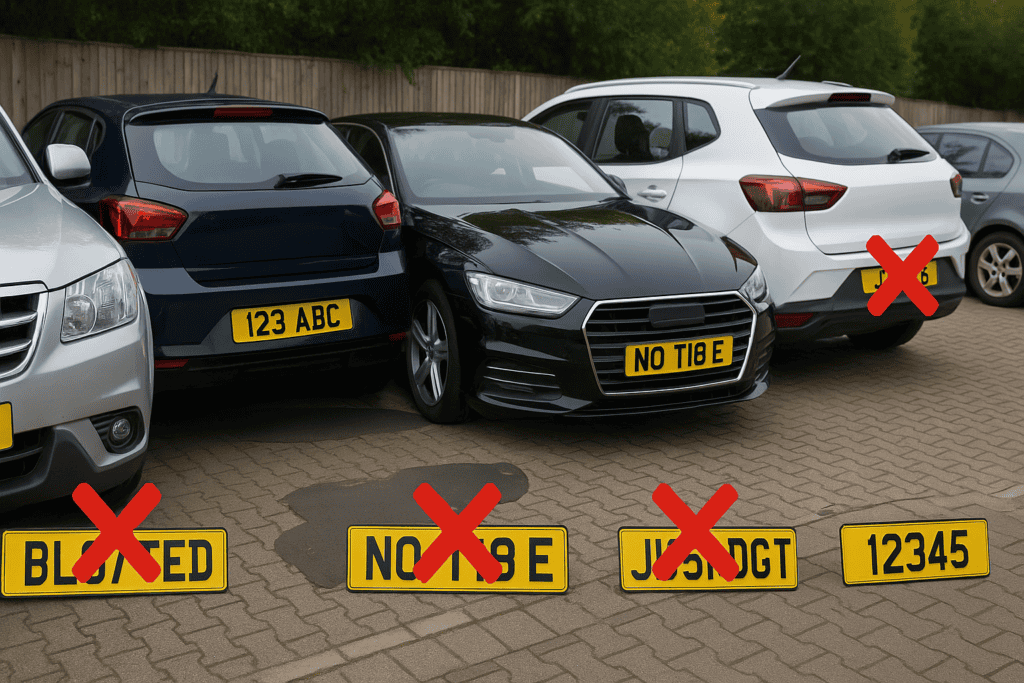
Many buyers overpay because the asking price feels authoritative. Private number plates do not have a fixed market value, so price depends on demand, rarity, character pattern, and how quickly a seller wants to complete the sale. Before agreeing a figure, compare similar registrations across several established marketplaces and auction listings. Use the same format and character count when comparing, since a short plate or a desirable prefix often commands a premium.
Weak negotiation also increases costs. Sellers often build in room for movement, especially for plates that have sat unsold for some time. Set a maximum budget in advance and base any offer on evidence from comparable listings rather than preference. When a dealer quotes a price, ask what fees the figure includes, such as transfer or assignment charges, and confirm the total payable amount in writing. The DVLA charges an assignment fee in some situations, so a “good deal” can become expensive once administration costs appear.
Timing can also affect value. If a plate suits a niche audience, patience often secures a better price than urgency. A calm, evidence-led approach protects your budget and reduces the risk of paying more than the plate is worth.
Many costly problems start with the seller, not the registration. Private number plates change hands through dealers, auctions, forums and social media. Some routes offer strong safeguards; others offer none. Before any payment, confirm that the seller has the legal right to sell the registration and that the registration exists in the form described.
Start with provenance checks. Ask for the registration certificate (V750) or retention document (V778) and verify that the document details match the registration exactly. Confirm the issue date, the document reference, and the name and address shown. If a seller refuses to share evidence, treat that refusal as a warning sign. For guidance on what these documents look like and how transfers work, use the official DVLA personalised registration numbers pages.
Next, assess the selling platform. Established dealers usually provide clear terms, escrow-style handling, or structured transfer support. Private sales can still be legitimate, yet a buyer needs stronger checks. Verify business details where relevant, including a registered address and landline number, and confirm that the website uses secure payment pages. Avoid bank transfers to unknown individuals, especially when the seller applies time pressure or claims that another buyer is waiting.
Also check for hidden constraints. Some registrations carry restrictions on assignment, and some sellers advertise a “right to use” rather than a full transfer. Clarify whether the price includes DVLA assignment fees and whether the seller will complete the transfer promptly. If the registration sits on a vehicle, confirm that the seller will retain it correctly before sale.
A simple rule reduces risk: pay only after you have seen valid DVLA paperwork, verified the seller’s identity, and agreed written terms that state the exact registration, price, fees, and transfer timeline.
Many buyers budget for the purchase price and overlook the administrative costs that sit around a private registration. Those charges can change the true cost of ownership, particularly if the registration moves between vehicles or stays off a vehicle for a period. A clear cost plan prevents delays, missed deadlines, and unexpected fees.
The DVLA manages transfers, retention, and certificate reissues. Fees vary by service, so check the current schedule before committing to a purchase. A common mistake involves assuming a dealer “includes transfer” without confirming what that includes and when the transfer will happen.
Ask for a written breakdown that separates the registration price from DVLA fees and any dealer administration charges. That approach also helps when comparing quotes from different sellers.
Retention looks simple, yet timing causes problems. Some buyers sell a vehicle and assume the registration will transfer later, only to find that the registration stays with the vehicle if the paperwork does not complete in time. Others buy a plate for a future car and forget that retention certificates have an expiry date. Set calendar reminders well in advance and renew promptly if you still need to hold the registration.
Before paying, confirm who will submit the DVLA application, what information each party must provide, and the expected processing time. If you need the registration active by a specific date, build in contingency time for document checks and DVLA processing.
Ownership brings practical tasks. You may need new physical plates from a registered supplier, and you must keep vehicle records accurate. After assignment, update insurance and check that any parking permits, congestion accounts, or fleet systems reflect the new registration. Treat those steps as part of the cost, since missed updates can trigger fines or rejected claims.
Cost-control tip: request an itemised quote and confirm, in writing, who pays DVLA fees, who submits forms, and what happens if the transfer cannot proceed on the intended date.
A private number plate can create problems when the wording, timing, or paperwork clashes with legal duties, insurance terms, or future resale. Start with legality beyond display rules. Some registrations attract unwanted attention if they appear offensive or misleading, and the DVLA can withdraw a registration that breaches its policies. Choose a plate that you can use without relying on altered spacing or ambiguous presentation.
Insurance causes avoidable issues when a buyer forgets to notify the insurer immediately after assignment. A registration change alters vehicle identification details on the policy, so an insurer may treat non-disclosure as a breach of terms. Confirm that the V5C log book and insurance record match the vehicle before driving, and keep assignment documents accessible until records update.
Resale problems often come from buying a plate that only suits one make, model, or year identifier. A highly personalised combination can limit demand, which reduces liquidity and weakens price expectations. Before purchase, consider whether the registration will appeal to a wider audience and whether the age identifier restricts the vehicles that can display it. If long-term value matters, prioritise clarity, broad appeal, and clean provenance over a perfect name match.