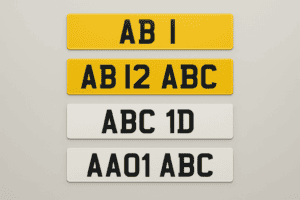
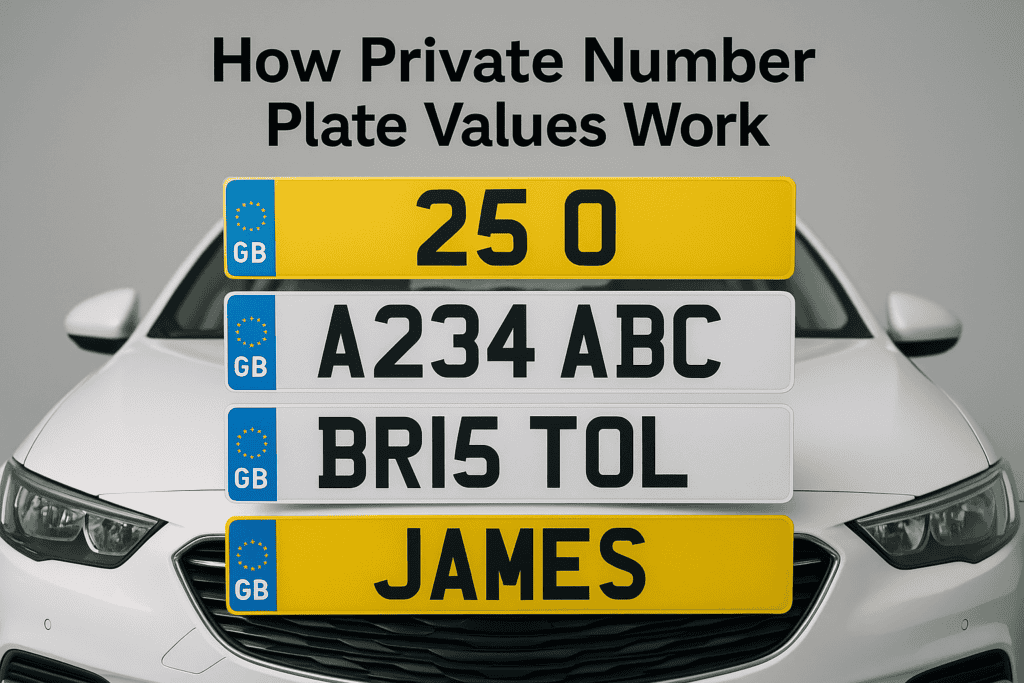
Private number plate prices reflect what buyers will pay, rather than a fixed tariff. Rarity drives value because short registrations, low digit counts, and clean letter patterns appear less often. Desirable initials and meaningful words can also command a premium, while plates that require spacing tricks or non-standard styling tend to achieve less, since DVLA display rules limit how a plate can look on a vehicle.
Demand varies by audience. Collectors often seek scarcity and provenance, whereas private motorists may focus on personal relevance, such as names, nicknames, or business branding. Market visibility influences demand as well: a plate listed on a high-traffic marketplace can attract more competing buyers than a private sale with limited reach.
Timing affects the achievable price. Interest often rises around new registration periods in March and September, when vehicle changes prompt buyers to personalise cars. Economic conditions also matter, since discretionary spending can tighten or expand. For the most accurate view of current appetite, compare recent realised prices and active listings on established platforms such as DVLA Personalised Registrations, then set expectations based on evidence rather than asking prices alone.
Before marketing a registration, confirm that the mark is eligible for transfer. The DVLA blocks transfers for registrations that make a vehicle appear newer than it is, and it will not allow a transfer from a vehicle without a current MOT where one is required. A quick eligibility check prevents delays after a buyer has agreed a price.
Next, gather the correct paperwork. If the registration sits on a vehicle, the DVLA issues a V778 retention document or a V750 certificate of entitlement after a successful application. Keep the document details accurate, as buyers and brokers will verify the reference numbers and expiry date. Where the plate remains on a vehicle, ensure the V5C log book shows the correct keeper details, since mismatches can slow the process.
Plan the transfer route before listing. Retaining the plate can widen the buyer pool, as it allows a straightforward assignment to the buyer’s vehicle. If you prefer a managed route, use Sell A Private Number Plate to guide pricing, documentation checks, and the DVLA transfer steps, so the sale completes with fewer avoidable queries.
A strong asking price balances ambition with credibility. Set it too high and serious buyers move on; set it too low and the market will treat the plate as a bargain. Start with a valuation range, then refine it using comparable sales and a clear reserve strategy that protects the minimum you will accept.
Begin with an independent valuation to establish a sensible range. The DVLA Personalised Registrations site can indicate current availability and pricing for similar formats, while specialist marketplaces often publish guide prices. Treat any figure as an estimate, because condition does not apply to registrations in the same way as physical goods; buyer demand drives the final price. If a valuation seems optimistic, test it against real listings and recent sold prices before you commit.
Comparable evidence carries the most weight when it matches the registration’s structure and buyer appeal. Focus on plates with the same format (for example, prefix, suffix, dateless, or current style), similar character count, and similar readability. A plate that spells a name or brand-like word often sells differently from one that relies on creative spacing, so keep comparisons honest.
Your reserve price sets the floor. Use it to avoid underselling during negotiation or auction bidding. If you sell via an auction format, set a reserve that reflects the minimum acceptable net amount after fees. When you list at a fixed price, build in room for negotiation while keeping the figure realistic against comparables.
A practical approach uses three numbers:
Revisit pricing if enquiries remain weak after a reasonable period. Small adjustments often outperform dramatic cuts, since buyers read steep reductions as a sign of limited demand.
Your choice of sales channel shapes the likely sale price, the time to sell, and the risk you accept. Match the route to the plate type, your urgency, and how confident you feel handling enquiries and payment.
Before listing anywhere, confirm transfer rules on the DVLA personalised registrations pages and plan how you will complete the transfer. When comparing channels, focus on net proceeds rather than headline price. Ask each provider for a written breakdown of fees, including commission, VAT, listing upgrades, and transfer administration.
Practical rule: Use a dealer when speed matters; use an auction for scarce, premium plates; use a marketplace or private sale when you can wait and you can manage enquiries securely.
A high-converting listing reduces uncertainty. Buyers pay more when the description proves authenticity, matches how people search, and signals a low-risk transaction. Start with the registration exactly as it appears on the certificate, then state whether the mark sits on a vehicle or on a retention certificate. Name the document you hold (V750 or V778) and confirm that you will complete the transfer through the DVLA. Clear proof matters because it answers the first buyer question: “Can this plate be transferred without issues?”
Use keywords that reflect real intent rather than sales language. Include the format (for example, “dateless”, “prefix”, or “suffix”), the character count, and any obvious meaning such as initials or a short word. Place those terms early in the first paragraph and repeat each once in a natural way. Avoid claims about spacing or styling that would breach DVLA display rules, since that can reduce trust and trigger platform removals. A concise line such as Displayed legally as shown; no mis-spacing required
reassures serious buyers.
Buyer confidence signals often decide the final price. State what the sale includes, such as the right to the registration and the transfer fee status, then set expectations on timing. Give a realistic completion window, explain who pays DVLA fees, and confirm that you will not release the certificate until cleared funds arrive. Mention secure payment options and provide a business-like contact method. If you use a recognised marketplace or broker, name it and link to the official site, such as DVLA Registrations, so buyers can verify the route. Close with a calm call to action that invites enquiries from verified purchasers and discourages timewasters without sounding defensive.
Once a buyer shows serious intent, move the discussion to clear terms: agreed price, who pays transfer fees, and a realistic completion date. Keep negotiation factual by referencing comparable sales and the plate’s transfer status, rather than making claims about future value. If you accept offers, confirm the figure in writing and state that the registration remains in your name until funds clear.
For payment, prioritise methods that reduce reversal risk. A bank transfer to a UK account offers traceability, while cash creates security and counterfeit concerns. If you use an escrow service, verify the provider’s identity and terms before sharing documents. Avoid releasing the V750 or V778 until you have cleared funds, and keep copies of all messages and receipts.
Completion should follow DVLA transfer steps. Confirm the buyer’s details, submit the transfer online where possible, and share the confirmation reference. If the plate sits on retention, assign it to the buyer using the certificate details and follow DVLA timescales. When buyers ask about sourcing or transferring other registrations, direct them to Buy Private Plate for guidance on available options.